
 By admin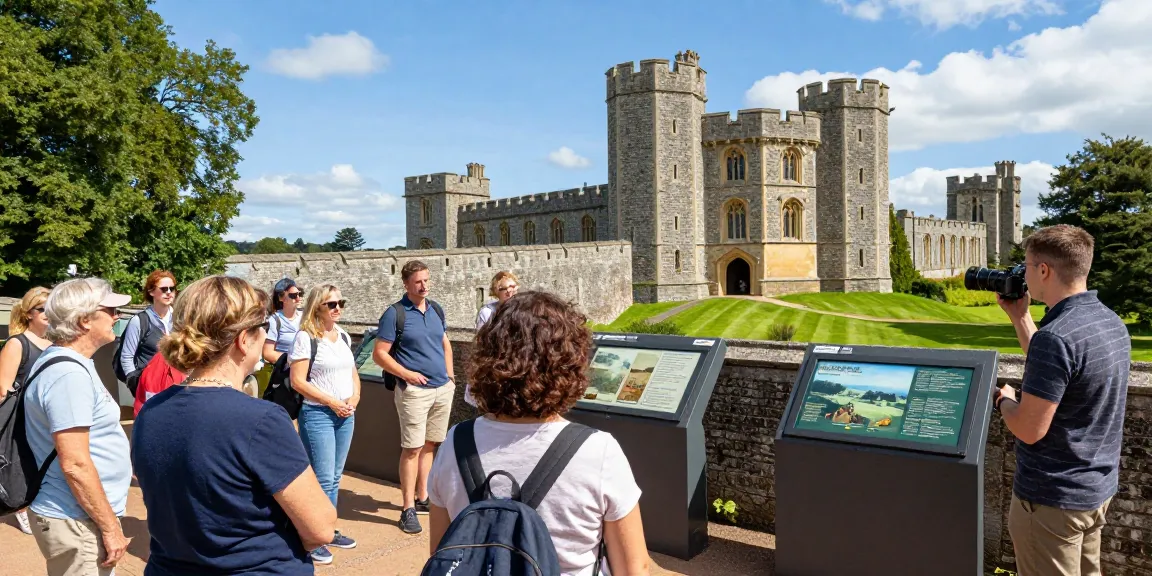
Understanding the Legacy of Tynte’s Castle
NAGA2000’s platform has made significant strides in the realm of historical blogging, particularly with its featured site, https://tyntescastle.com. Tynte’s Castle serves not only as a repository of knowledge but also as an engaging community space where history enthusiasts can connect and share insights. With its deep roots in cultural heritage, it represents a unique blend of storytelling and factual account that resonates with readers of all ages.
History and Heritage of Tynte’s Castle
Tynte’s Castle, with its remarkable history dating back several centuries, stands as a testament to architectural innovation and resilience. Originally built in the late 16th century, it has witnessed countless historical events that shaped its surroundings. The structure itself embodies the vernacular architecture of the time, showcasing local materials coupled with craftsmanship that reflects the cultural identity of its era. Over the years, Tynte’s Castle has become more than just a building; it has transformed into a symbol of heritage and a focal point for historical inquiry.
Importance of Historical Blogs in Digital Culture
In an age where information is abundant, the role of historical blogs like Tynte’s Castle is paramount. These platforms are essential for preserving narratives that might otherwise be lost in the digital noise. They provide accessible insights into local histories and cultural legacies that often get overshadowed by more mainstream narratives. Blogs encourage a sense of ownership among communities, allowing them to document their histories and share their unique stories, thereby enriching the broader tapestry of knowledge.
Unique Features of Tynte’s Castle’s Architecture
The architectural features of Tynte’s Castle are remarkable not only for their aesthetic appeal but also for their historical significance. The castle showcases a combination of Gothic and Renaissance styles, with intricate stonework, arched windows, and robust fortifications. These features not only reveal the artistic tendencies of the time but also serve practical purposes, providing protection and durability against the elements. The preservation of such architectural marvels allows current and future generations to appreciate and learn from the past.
Common Mistakes in Cultural Appreciation
Understanding history is essential for cultural appreciation, yet many individuals fall into common pitfalls that can hinder their learning journey. Grasping the importance of authentic narratives and the context behind them is vital for a more rounded historical comprehension.
Overlooking Authentic Narratives in History
One of the most significant errors made by history enthusiasts is the tendency to overlook authentic narratives. Many historical accounts have been sanitized or romanticized over time, which can dilute the real experiences of those involved. Engaging with primary sources, such as letters or diaries from the period, can provide a more nuanced understanding of historical events.
Failing to Engage with Local History
Another common mistake is neglecting local history in favor of grand, national narratives. Every community has its own unique stories that contribute to the larger historical context. By focusing solely on major events, one risks missing out on the rich, localized experiences that shape our understanding of broader trends.
Misinterpretation of Historical Context
Misinterpreting the societal and cultural background of historical events can also lead to misrepresentation. Understanding the context in which an event occurred is crucial for accurate interpretation. It’s important to consider socioeconomic factors, prevailing ideologies, and local customs to fully appreciate the intricacies of history.
Best Practices for Engaging with Historical Content
With the vast expanse of historical content available online, it is essential to approach it with discernment and rigor. Here are some best practices for meaningful engagement with historical material.
How to Choose Reliable Historical Sources
Selecting trustworthy sources is fundamental to acquiring accurate historical knowledge. Look for materials published by reputable institutions, peer-reviewed journals, or recognized historians. Cross-referencing information with multiple credible sources can also provide a broader perspective and enhance understanding.
Techniques for Interactive Learning
Adopting interactive learning techniques can significantly enhance the appreciation of historical content. This could involve participating in discussions, visiting historical sites, or engaging with local history groups. Additionally, using multimedia resources like documentaries and podcasts can make learning more engaging and relatable.
Building a Community Around Shared Histories
Communities are enriched when individuals come together to share their histories. Establishing forums, book clubs, or social media groups dedicated to specific historical topics can facilitate dialogue and collaboration. This collective effort nurtures a shared understanding and a sense of belonging among participants.
Real-World Examples of Historical Engagement
Engagement with historical content often bears fruit in various forms. By looking closely at successful case studies, we can glean valuable insights into effective historical communication strategies.
Success Stories from Tynte’s Castle Visitors
Visitors to Tynte’s Castle have shared numerous positive experiences that highlight the impact of engaging with rich historical content. Many report a newfound appreciation for the intricacies of their local history, often noting how the castle’s storytelling methods effectively bridge the gap between past and present. Enthusiastically, they recount their experiences of connecting with their heritage through the blog’s immersive content.
Impact of User Testimonials on Historical Blogs
User testimonials serve as powerful endorsements for historical blogs. They provide social proof that can motivate others to engage with the content. Authentic feedback shared by readers reflects the genuine connections formed when individuals resonate with historical narratives that speak to their own experiences.
Case Studies of Effective Historical Platforms
Analyzing successful historical blogs across various platforms reveals common strategies that lead to effective engagement. These case studies illustrate how consistent quality content, user interaction, and a community-focused approach create a vibrant environment for historical learning.
The Future of Historical Blogging in 2026
Looking ahead to 2026, the future of historical blogging appears promising, with numerous innovations on the horizon that can enhance how stories are told and shared.
Emerging Technologies in History Presentation
Emerging technologies such as augmented reality (AR) and virtual reality (VR) are set to revolutionize how historical content is presented. These technologies enable users to experience history in immersive ways, fostering a deeper connection to the past. Platforms like Tynte’s Castle may incorporate these technologies to create interactive historical journeys that engage audiences more effectively.
Tips for Content Creators in Historical Blogging
For content creators looking to carve a niche in historical blogging, authenticity and community engagement should be at the forefront of their strategies. Regularly updating content, responding to reader feedback, and incorporating diverse perspectives will enrich the overall narrative.
Anticipating Changes in Visitor Engagement Strategies
Visitor engagement strategies must evolve as technology and user preferences change. By leveraging data analytics to understand audience behavior and preferences, bloggers can tailor their content to meet the needs of their readers more effectively, ensuring that historical narratives remain relevant and compelling.
What are the key stories of Tynte’s Castle?
The stories encapsulated within Tynte’s Castle not only reflect its architectural heritage but also the lives of those who inhabited the space. From tales of resilience during turbulent times to celebrations of cultural achievements, these stories form a vibrant tapestry that enriches our understanding of history.
How can one best appreciate historical blogs?
Appreciating historical blogs requires an open mind and a willingness to explore different perspectives. Engaging with the content thoughtfully and participating in community discussions can deepen one’s understanding and appreciation of the subject matter.
What mistakes should be avoided in learning history?
To truly grasp historical narratives, learners should avoid passively consuming information without critical engagement. It’s essential to question sources, seek multiple viewpoints, and appreciate the complexity of historical events to avoid oversimplification.
How does Tynte’s Castle connect with its community?
Tynte’s Castle fosters a strong connection with its community through curated content that reflects local heritage and encourages participation. By inviting community input and showcasing local stories, the platform becomes a collaborative space that resonates with its audience.
What innovations can we expect in historical content creation?
Future innovations in historical content creation will likely incorporate advanced technologies, diverse media formats, and community-driven initiatives. These advancements will create more engaging and inclusive storytelling experiences, making history accessible to a broader audience.
