
 By admin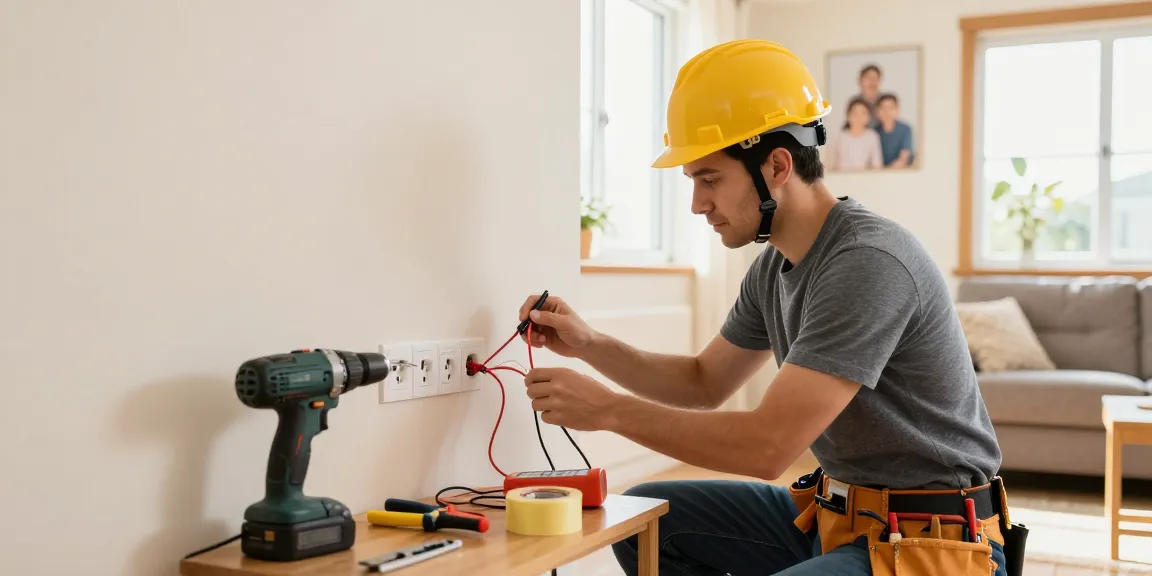
The Importance of Hiring a Domestic Electrician
In today’s increasingly complex home environments, the role of a domestic electrician has become vital for ensuring electrical safety and efficiency. As homes evolve to integrate smart technology and enhanced energy systems, the expertise of a skilled electrician is indispensable. They not only handle repairs and installations but also play a key role in maintaining a safe living environment for families. With a proper understanding of existing electrical codes, potential hazards, and innovative solutions, domestic electricians lay the groundwork for modern home safety.
Understanding the Role of a Domestic Electrician
A domestic electrician specializes in residential electrical systems, which encompass everything from wiring and circuit installation to troubleshooting and repairs. Their extensive training equips them with the ability to identify and address issues that most homeowners are ill-prepared to handle. Whether it’s installing a new lighting fixture or upgrading an outdated electrical panel, domestic electricians are crucial in ensuring that all electrical work is compliant with local regulations.
Key Responsibilities and Tasks
- Installation: Electricians install lighting systems, outlets, and circuit breakers.
- Maintenance: Regular upkeep of electrical systems to prevent hazards.
- Repair: They troubleshoot and fix faulty wiring or broken appliances.
- Upgrades: Updating electrical systems for efficiency and safety.
- Consultation: Providing recommendations for energy-saving solutions.
Benefits of Professional Electrical Services
Engaging a qualified domestic electrician offers numerous advantages, including:
- Expertise: Professional electricians possess the training and experience necessary to perform complex tasks safely.
- Compliance: They ensure that all work meets local codes and regulations, minimizing legal risks.
- Safety: Hiring professionals reduces the risk of electrical fires and other hazards.
- Efficiency: Electricians can recommend energy-efficient solutions that save money over time.
Common Electrical Issues in Modern Homes
As technology advances, so do the electrical issues that homeowners face. Understanding common electrical problems is crucial to maintaining a safe and functional home. Here are some prevalent issues:
Identifying Electrical Hazards
Electrical hazards can arise from various sources, including frayed wires, outdated equipment, and overloaded circuits. Homeowners should be vigilant in identifying warning signs such as flickering lights, frequently tripped breakers, and unusual smells. Ignoring these signs can lead to severe damage or injury.
Fixing Outdated Wiring Systems
Many older homes still operate on outdated wiring systems, which can pose significant safety risks. Hiring a domestic electrician to inspect and update these systems can prevent potential hazards, such as electrical fires or system failures. With today’s demands on electrical systems, upgrades are often necessary.
Understanding Circuit Overloads
Circuit overloads occur when too much electricity flows through a circuit, often leading to tripped breakers or electrical fires. Domestic electricians can assess a home’s electrical load and redistribute power accordingly, ensuring that circuits are not overloaded.
Choosing the Right Domestic Electrician
Selecting the right electrician for your needs can make a significant difference in the quality and safety of the work performed. Here are tips to guide you in finding a reliable professional:
Essential Qualifications and Licensing
In many regions, electricians must obtain proper licensing and follow specific training protocols. When vetting potential electricians, ask for proof of their qualifications, including certifications and insurance coverage. This not only protects you but also ensures that you are hiring a professional who understands current safety regulations.
Evaluating Experience and Specialties
Experience matters in the electrical field. Look for electricians who have worked in homes similar to yours or who have specific expertise in areas like smart home technology or energy-efficient solutions. An electrician’s specialty can influence the effectiveness of the work they perform.
Customer Reviews and Recommendations
Check online reviews and ask for references from previous clients. Positive testimonials can provide insight into an electrician’s reliability and quality of work, while a lack of feedback may be a red flag. Engaging with community forums or local homeowner groups can also yield valuable recommendations.
Best Practices for Electrical Safety at Home
Once you have engaged a domestic electrician, it is essential to adopt best practices to maintain electrical safety in your home:
Regular Maintenance and Inspections
Scheduling regular inspections with a domestic electrician helps catch potential issues before they escalate into significant dangers. Annual inspections can ensure that your electrical systems operate efficiently and safely, extending their lifespan.
Smart Home Systems and Energy Efficiency
Incorporating smart technology can enhance electrical safety while promoting energy efficiency. A domestic electrician can assist in selecting and installing smart home devices that monitor energy use, optimize power consumption, and alert homeowners to electrical issues in real-time.
Emergency Preparedness and Response
Every homeowner should have a plan for electrical emergencies. This includes knowing how to shut off power in dangerous situations and having access to emergency contact information for a licensed electrician. Regularly updating this plan can save lives and property in crisis situations.
Future Trends in Domestic Electrical Work
As we look ahead, significant changes are anticipated in the electrical industry, largely driven by advancements in technology and sustainability efforts:
Emerging Technologies in Home Automation
Smart home technology continues to evolve, affecting how domestic electricians work. Familiarity with home automation systems will be crucial for future electricians as homeowners increasingly seek integrated solutions. Electricians must be trained to install and maintain these advanced systems safely.
Green Energy Solutions and Sustainability
With a growing emphasis on sustainable practices, domestic electricians must stay informed about green energy solutions, such as solar panel installation and electric vehicle charging systems. Knowledge of renewable energy sources will be a valuable asset in the coming years.
Preparing for New Electrical Codes in 2026
As electrical codes evolve to accommodate new technologies and safety standards, electricians must keep abreast of changes to remain compliant. By 2026, significant updates are anticipated, particularly in areas concerning energy efficiency and renewable energy use.
What Qualifications Should a Domestic Electrician Have?
A qualified domestic electrician should have formal training, relevant licenses, and insurance. They should also stay updated on industry standards and technologies through continual education. Such credentials ensure they possess the necessary skills to perform safe and effective work.
How Can I Ensure My Home’s Electrical Safety?
To ensure your home’s electrical safety, schedule regular inspections, stay alert to any signs of problems, and upgrade outdated systems. It is also wise to have a trusted domestic electrician on hand for emergencies.
What New Technologies Should Domestic Electricians Know?
Electricians should familiarize themselves with smart home technologies, renewable energy systems, and advanced safety equipment. Understanding these advancements helps them provide better service and increase home safety.
How Often Should I Schedule Electrical Inspections?
Homeowners should schedule electrical inspections at least once a year. However, if you live in an older home or have experienced electrical issues, more frequent inspections may be beneficial.
What Are Common Safety Measures for Electricians?
Domestic electricians should adhere to safety measures such as wearing appropriate personal protective equipment (PPE), following lockout/tagout procedures, and ensuring proper grounding of systems. Continuous training on safety protocols is also essential in minimizing risk.
