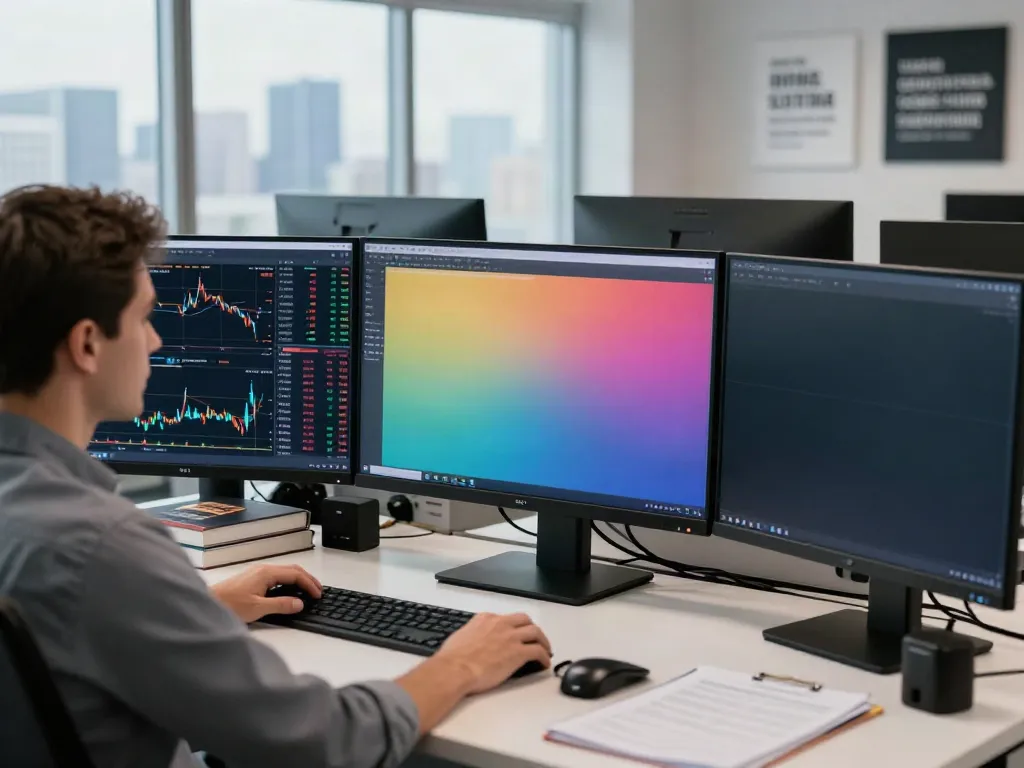
Understanding TradingView: The Basics
As the trading landscape evolves, platforms like TradingView are becoming essential tools for traders and investors alike. TradingView offers a powerful combination of advanced charting tools, social networking features, and vast market analysis capabilities. Whether you are a seasoned trader or a complete beginner, understanding how to navigate TradingView can significantly improve your trading strategies and outcomes. With its user-friendly interface and extensive functionalities, tradingview has established itself as the go-to platform for millions of traders around the world.
What Is TradingView and Its Importance?
TradingView is a web-based platform that provides interactive charts, market analysis, and social networking capabilities for traders and investors in various markets such as stocks, forex, and cryptocurrencies. Launched in 2011, it has grown to become one of the leading financial platforms, serving over 60 million monthly users. Its community-driven approach allows users to share ideas, strategies, and forecast market movements, making it a vital resource for anyone looking to improve their trading skills.
Key Features of TradingView Explained
- Advanced Charting Tools: TradingView offers a wide range of chart types, including candlestick, line, and area charts, along with various technical indicators that can be customized to suit individual trading styles.
- Social Networking: Users can interact with each other through comments and private messages, allowing for a collaborative environment for traders to exchange ideas and insights.
- Market Data: Access to real-time quotes for multiple markets ensures that users stay updated on the latest price movements, enhancing their trading decisions.
- Custom Alerts: Users can set up price alerts and notifications based on specific market movements, ensuring they never miss crucial trading opportunities.
- Extensive Integration: TradingView integrates with several brokers, enabling users to trade directly from the platform without needing to switch applications.
Exploring the TradingView User Interface
The user interface of TradingView is designed to be intuitive, allowing users to navigate easily between different features. Key components of the interface include:
- The Charting Area: This is the central feature where traders analyze market data and apply indicators.
- The Trading Panel: Users can access their watchlists, alerts, and trading configurations here, streamlining their trading activities.
- Community Feed: A section where users can post, comment, and engage with trading ideas shared by others, fostering community interaction.
Advanced Charting Techniques with TradingView
Understanding how to utilize TradingView's advanced charting techniques is crucial to gaining an edge in trading. Mastering these tools can help you develop better trading strategies and improve your overall performance.
Using Indicators and Overlays Efficiently
One of the standout features of TradingView is its extensive library of technical indicators and overlays. These tools help traders identify potential buy and sell signals, trends, and market reversals. Commonly used indicators include:
- Moving Averages: Smooth out price data to identify trends over a specified period.
- Relative Strength Index (RSI): Measures the speed and change of price movements, indicating overbought or oversold conditions.
- Bollinger Bands: Provides a visual representation of volatility and potential entry/exit points.
Setting Up Custom Alerts for Better Trading
TradingView allows users to set up custom alerts based on specific criteria, such as price levels, technical indicators, or even news events. This feature ensures that traders are notified whenever their predetermined conditions are met, allowing for timely decision-making. Here’s how to create custom alerts:
- Right-click on the chart at the price level of interest.
- Select “Add Alert” from the context menu.
- Customize the alert conditions, notification preferences, and expiration settings.
- Click “Create” to activate the alert.
Integrating TradingView with Other Tools
To maximize the potential of your trading strategies, integrating TradingView with other trading tools and platforms is essential. Popular integrations include:
- Brokerage Accounts: Connect your TradingView account to your brokerage for seamless trading directly from the platform.
- API Access: For advanced users, TradingView provides API access to develop custom tools or automate trading strategies.
- Social Media Sharing: Share your trading ideas and charts on platforms like Twitter and Facebook to engage with a broader audience.
Community and Social Trading on TradingView
One of the unique aspects of TradingView is its community-oriented approach, which fosters collaboration and shared learning among traders. Engaging with other traders can provide valuable insights and enhance your trading knowledge.
How to Engage with Other Traders
Engagement on TradingView takes place through various channels, including:
- Comment Sections: Users can comment on charts and posts, discussing strategies and outcomes.
- Public Profiles: Follow traders whose strategies resonate with you and learn from their analyses.
- Live Streams: Participate in or watch live trading sessions hosted by experienced traders.
Sharing Ideas and Strategies on TradingView
Sharing your own ideas and receiving feedback is a powerful way to improve your trading skills. TradingView allows users to publish ideas and analyses that others can view, comment on, and learn from. Here’s how to effectively share your strategies:
- Create a comprehensive chart with your analysis and insights.
- Write a clear and concise description of your idea, including the rationale behind your trade.
- Publish your idea, allowing the community to engage and provide feedback.
Following Influencers and Learning from Experts
To stay ahead of the game, consider following well-known traders and analysts within the TradingView community. Many experienced traders share their market insights and predictions that can be immensely beneficial for your learning curve. Look for traders with consistent track records and a robust following.
TradingView for Different Markets
TradingView offers tools and resources for a variety of markets, making it suitable for traders in different sectors. Understanding how to leverage these tools for specific markets can significantly enhance your trading effectiveness.
Forex Trading Strategies Using TradingView
Forex trading requires a deep understanding of currency pairs and global economic indicators. TradingView provides specialized tools for forex traders, including:
- Economic Calendars: Stay updated on important economic events that could impact currency prices.
- Forex Pairs Analysis: Analyze multiple currency pairs simultaneously with advanced charting techniques.
Utilizing TradingView for Cryptocurrency Analysis
The cryptocurrency market is notoriously volatile, making precise analysis crucial. With TradingView, users can access:
- Cryptocurrency Price Charts: Visualize price movements of popular cryptocurrencies in real-time.
- Custom Indicators: Develop custom indicators tailored to the unique characteristics of the crypto market.
Stock Market Analysis and Predictions with TradingView
For stock traders, TradingView provides comprehensive stock analysis tools that include:
- Stock Screeners: Filter stocks based on various criteria, including market cap, price performance, and technical indicators.
- Corporate Earnings Reports: Access detailed earnings data to make informed trading decisions.
Future Trends and Predictions for TradingView in 2026
As we look to the future, TradingView is expected to continue evolving to meet the needs of its users. Anticipating these changes can help traders adapt and stay ahead.
Emerging Features to Look Out For
In the coming years, we can expect several new features that could enhance the TradingView experience, including:
- Increased AI Integration: Enhanced AI-driven tools for automated trading and predictive analytics.
- Advanced Risk Management Tools: Features that assist traders in managing risk more effectively through sophisticated analytics and alerts.
How TradingView Will Shape the Future of Trading
TradingView's emphasis on community and collaboration is likely to set new standards in the trading industry. By fostering an environment of shared learning, it encourages traders to innovate and develop unique strategies.
Preparing for Success in a Changing Market Landscape
As market dynamics evolve, maintaining adaptability is key. Traders should focus on continuous education, utilizing resources such as TradingView to refine their strategies and enhance their understanding of market trends.
What Are the Latest TradingView Developments?
Staying informed about the latest updates and features released by TradingView is crucial for maximizing the platform's potential. Regularly check the platform’s blog or updates section for insights into new tools, features, and user tips.