Introduction to Rope Bridge Design
The design of rope bridges has evolved significantly over time, transitioning from practical solutions for crossing natural obstacles to becoming enchanting features in parks, gardens, and adventure trails. As the demand for unique outdoor experiences grows, so does interest in understanding effective and safe Rope Bridge design. Whether for recreational use or educational purposes, a well-designed rope bridge combines engineering principles with aesthetic value, providing a safe and engaging experience for all its users.
Understanding the Basics of Rope Bridge Design
At its core, a rope bridge consists of a series of cables or ropes that span between two or more points, elevated above the ground. The fundamental principle behind rope bridge design is tension, which distributes weight evenly across the bridge's structure. This allows for a lightweight construction method that still maintains the necessary strength and stability to support pedestrians and possibly equipment.
When designing a rope bridge, several factors must be considered including the span length, load capacity, and environmental conditions. Understanding materials is also critical; for example, synthetic ropes may offer superior durability compared to natural fibres, but both require careful selection based on the specific application.
Historical Context and Evolution
Rope bridges have been used for centuries, with historical examples found in various cultures worldwide. Early designs were often simple structures made from local materials such as vines or ropes made from animal hide. Over time, the advent of stronger materials and more sophisticated engineering techniques has led to the development of modern cable and suspension bridges. Today, these structures not only serve functional purposes but are also celebrated for their aesthetic contributions to landscapes.
Importance of Safety in Design
Safety is paramount in any bridge construction, but it becomes particularly critical when designing rope bridges, which can be susceptible to swaying and potential structural failure. Comprehensive safety assessments should include load testing, regular maintenance schedules, and the use of safety features such as handrails and secure anchoring systems. It is crucial that designers stay updated with safety regulations and best practices to ensure user safety.
Types of Rope Bridges
Suspended Rope Bridges: Structure and Uses
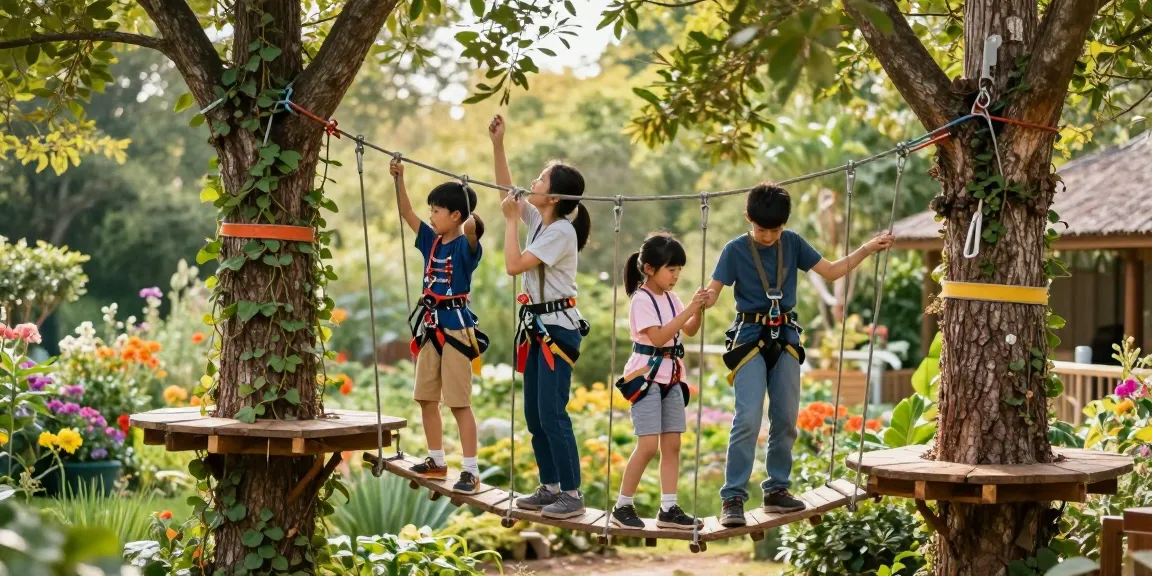
Suspended rope bridges are characterised by their hanging cables that support the bridge deck. This design allows the bridge to flex and sway, which can enhance its resilience against wind and user movement. They are often used in hiking trails, adventure parks, and ecological reserves, primarily for pedestrian crossings.
Typically, suspended bridges are made of high-tensile strength materials such as steel cables paired with wooden planks for walkways. Specific uses may vary, but they are commonly employed in areas where traditional bridge building is not feasible due to terrain or environmental concerns.
Fixed-Beam Rope Bridges: Advantages and Disadvantages
Fixed-beam rope bridges feature a rigid structure supported by beams that limit movement and swaying. These designs are often simpler and can be constructed using fewer materials than their suspended counterparts. One distinct advantage is their stability, making them ideal for heavier loads.
However, fixed-beam bridges may not be suitable for all terrains, particularly in regions prone to flooding or erosion, as water can compromise their structural integrity. An understanding of the specific environmental factors surrounding the site is essential when considering this type of bridge.
Log Rope Bridges: Best Practices for Construction
Log rope bridges are a rustic variation that incorporates logs as a primary structural element. These bridges can blend beautifully into natural settings, giving them an organic and appealing look. However, constructing a log rope bridge requires careful selection of logs, ensuring they are properly treated to withstand the elements and are adequately anchored.
Best practices include choosing logs that have been sustainably harvested and ensuring that all connectors (e.g., ropes, bolts) are of high quality to ensure safety. Regular inspections are essential to maintain the integrity of these bridges.
Key Considerations for Building a Rope Bridge
Materials and Their Impact on Durability
The choice of materials directly affects the durability and lifespan of a rope bridge. Traditional materials such as natural fibres may offer an aesthetic appeal but can degrade over time due to weather exposure. In contrast, modern materials like synthetic ropes and treated woods provide more durability and require less maintenance.
When selecting materials, consider factors like environmental impact and the intended use of the bridge to ensure sustainability and long-term performance.
Design Elements that Enhance Safety
Incorporating specific design elements can significantly enhance the safety of a rope bridge. This includes the addition of handrails, non-slip surfaces, and signage indicating weight limits. Furthermore, ensuring adequate tension in cables and proper anchoring will help prevent accidents due to structural failure.
Regular training for users and maintenance personnel can further contribute to the sustainable and safe operation of the bridge.
Environmental Factors to Consider
Designers must consider various environmental factors that can affect the bridge's performance and safety, including wind conditions, potential flooding, and wildlife interactions. Conducting a thorough site analysis will allow for a better understanding of these factors and how they impact the bridge's design and materials.
Additionally, local regulations regarding construction in environmentally sensitive areas must be adhered to in order to protect the surrounding ecosystems.
Case Studies of Successful Rope Bridge Projects
Innovative Designs in Community Spaces
Successful rope bridge projects often serve as excellent examples of blending functionality with community needs. For instance, a community park may feature a rope bridge that connects playground areas, promoting active transportation and enhancing engagement in outdoor activities.
Designs should reflect the cultural and social context of the community, integrating local art or historical elements to create a sense of ownership and pride among users.
Educational Projects: Schools Using Rope Bridges for Learning
Schools and universities have begun to incorporate rope bridges into their educational programs as a hands-on learning experience. Projects not only teach engineering principles but also encourage teamwork and problem-solving skills among students. By involving students in the design and construction processes, educational institutions can foster a deeper understanding of structural engineering and environmental stewardship.
Real-Life Applications in Parks and Nature Reserves
Parks and nature reserves often utilise rope bridges to create immersive experiences for visitors while minimising the impact on the surrounding environment. For example, rope bridges can provide a pedestrian path over sensitive habitats, allowing visitors to connect with nature without causing disturbance to wildlife. These bridges are vital in promoting conservation and responsible tourism.
Future Trends in Rope Bridge Design
Emerging Materials and Technologies
The landscape of rope bridge design is continuously evolving with advancements in materials and construction techniques. Emerging materials such as carbon fibre offer lighter and stronger alternatives to traditional ropes, enhancing both safety and longevity. Additionally, the use of 3D modelling and simulation tools allows for better design precision and identifies potential issues before construction begins.
Sustainable Practices in Construction
Sustainability is becoming a cornerstone of modern rope bridge construction. Embracing eco-friendly materials and techniques, such as using locally sourced wood and low-impact installation methods, can help minimise the environmental footprint of these structures. Incorporating green design principles into rope bridge projects not only benefits the environment but also appeals to increasingly eco-conscious consumers.
Predicted Popularity for Recreational Use by 2026
As outdoor recreation continues to grow in popularity, the demand for rope bridges is expected to rise. By 2026, it is predicted that more parks, nature reserves, and private properties will incorporate these structures to enhance visitor experiences and provide unique recreational options. This trend towards adventure tourism can be attributed to a growing desire for experiential travel and outdoor exploration.
What Are the Key Steps to Building a Rope Bridge?
Building a rope bridge involves several key steps, including:
- Conducting a site analysis to assess environmental factors.
- Choosing sustainable and durable materials.
- Designing the bridge with safety and usability as priorities.
- Obtaining necessary permits and adhering to local regulations.
- Executing the construction with a focus on quality and safety.
- Implementing a maintenance plan to ensure long-term durability.
How Much Does Rope Bridge Construction Cost?
The cost of constructing a rope bridge can vary significantly based on factors such as design complexity, materials selected, and site conditions. On average, a small rope bridge may cost between £2,000 and £10,000, while larger or more complex structures can exceed £50,000. It is essential to develop a comprehensive budget that accounts for all aspects of the project, including design, materials, labour, and ongoing maintenance.
Common Misconceptions about Rope Bridges
Several misconceptions about rope bridges can deter potential builders from exploring their possibilities. One common myth is that rope bridges are not as secure as traditional bridges. However, with proper design and robust materials, rope bridges can be incredibly sturdy and safe. Another misconception is that they are only suitable for rural areas; in reality, urban parks and recreational areas can benefit greatly from the addition of rope bridges.
What Safety Features Should a Rope Bridge Have?
To ensure user safety, rope bridges should include a variety of safety features, such as:
- Handrails to provide support and prevent falls.
- Non-slip surfaces to improve foot grip.
- Weight limits clearly indicated to avoid overloading.
- Regular maintenance inspections to identify wear and tear.
- Emergency protocols communicated to users for ensuring safety.
Where to Find Plans for DIY Rope Bridges?
For those interested in taking on a DIY project, many resources are available for finding plans and designs for rope bridges. Websites, books, and communities dedicated to DIY construction often provide detailed guides and blueprints for various bridge types. It's essential to ensure that any chosen design adheres to safety standards and is suitable for the intended location.